

8 small habits that make drinking water effortless
You know you should drink more but keep forgetting? Eight simple habits that tie water to your daily routine until drinking it becomes automatic.
Is eight glasses right for everyone? What health authorities actually recommend, what raises your needs, and simple ways to tell you are drinking enough.

"Eight glasses a day" is the rule most of us grew up with. It is a reasonable starting point, but it is not a one-size-fits-all answer. How much water you need depends on your body, how active you are and the weather around you, and it changes from one day to the next. This guide walks through the reference numbers, what pushes your needs up or down, and how to tell in practice whether you are drinking enough.
Scientific bodies publish reference values for total water intake: the water you get from drinks and from food combined.
Source | Men | Women |
|---|---|---|
US National Academies (2004) | about 3.7 L | about 2.7 L |
European Food Safety Authority, EFSA (2010) | 2.5 L | 2.0 L |
Roughly 20% of that usually comes from food such as fruit, vegetables and soups, and the rest from drinks. So if your total need is 2.5 litres, drinking around 2 litres may be enough, with your meals covering the rest.
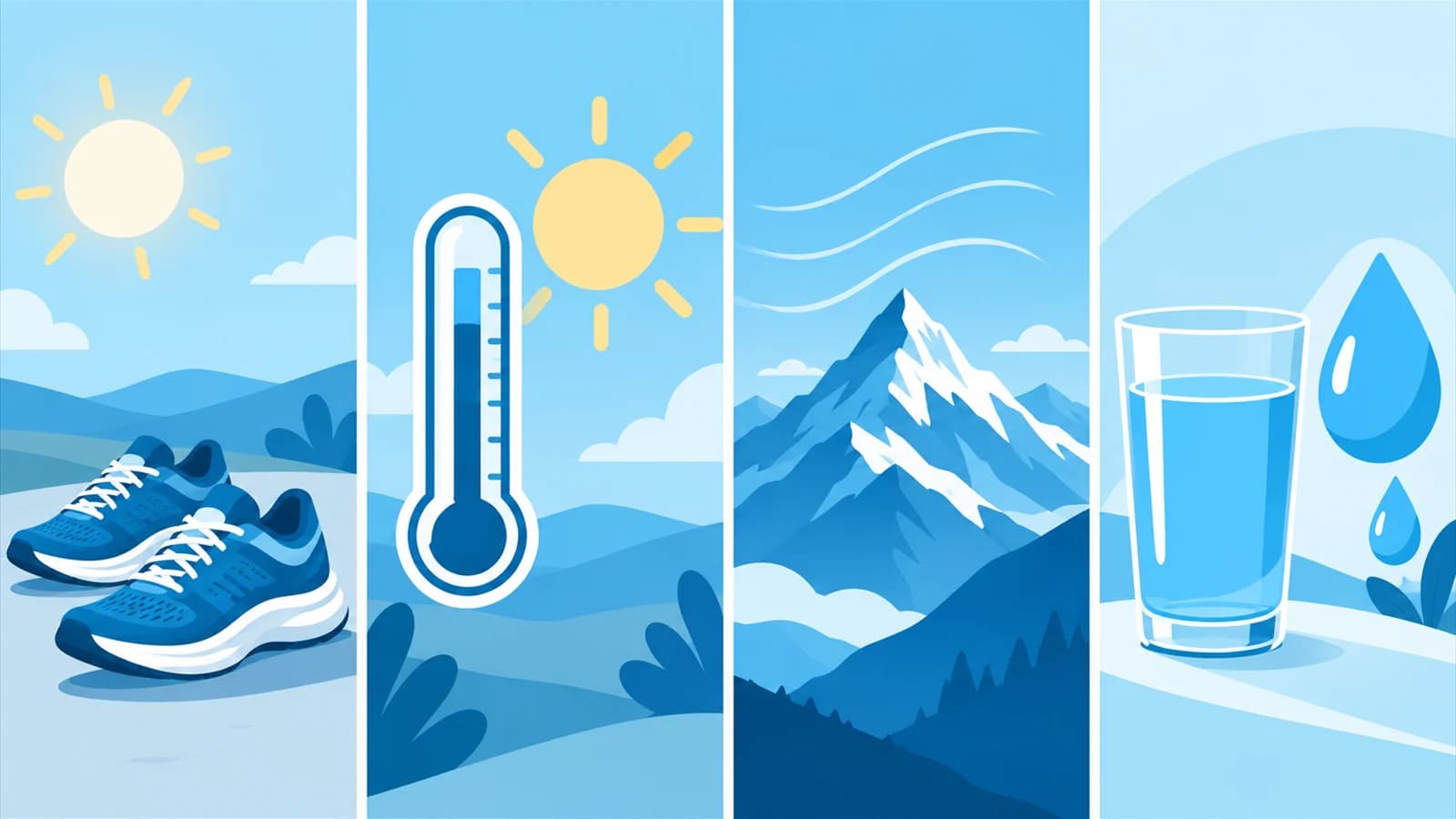
A larger body needs more water to do its everyday work, which is why many practical estimates start from body weight.
Exercise raises your body temperature and you lose water through sweat. An hour of running or football can add anywhere from half a litre to a litre or more, depending on intensity and heat.
In hot, humid weather you sweat more even without effort. At altitude, or in dry air-conditioned rooms, you lose more water simply by breathing.
Pregnancy, breastfeeding, fever and diarrhoea all increase how much you need. On the other hand, some heart and kidney conditions call for limiting fluids, and then your doctor's advice comes first.
Two simple signals are always available:
Urine colour. Pale yellow usually means you are well hydrated; dark yellow usually means you need more.
Thirst. A useful signal, but it can lag behind, especially in older adults and when you are busy or exercising.
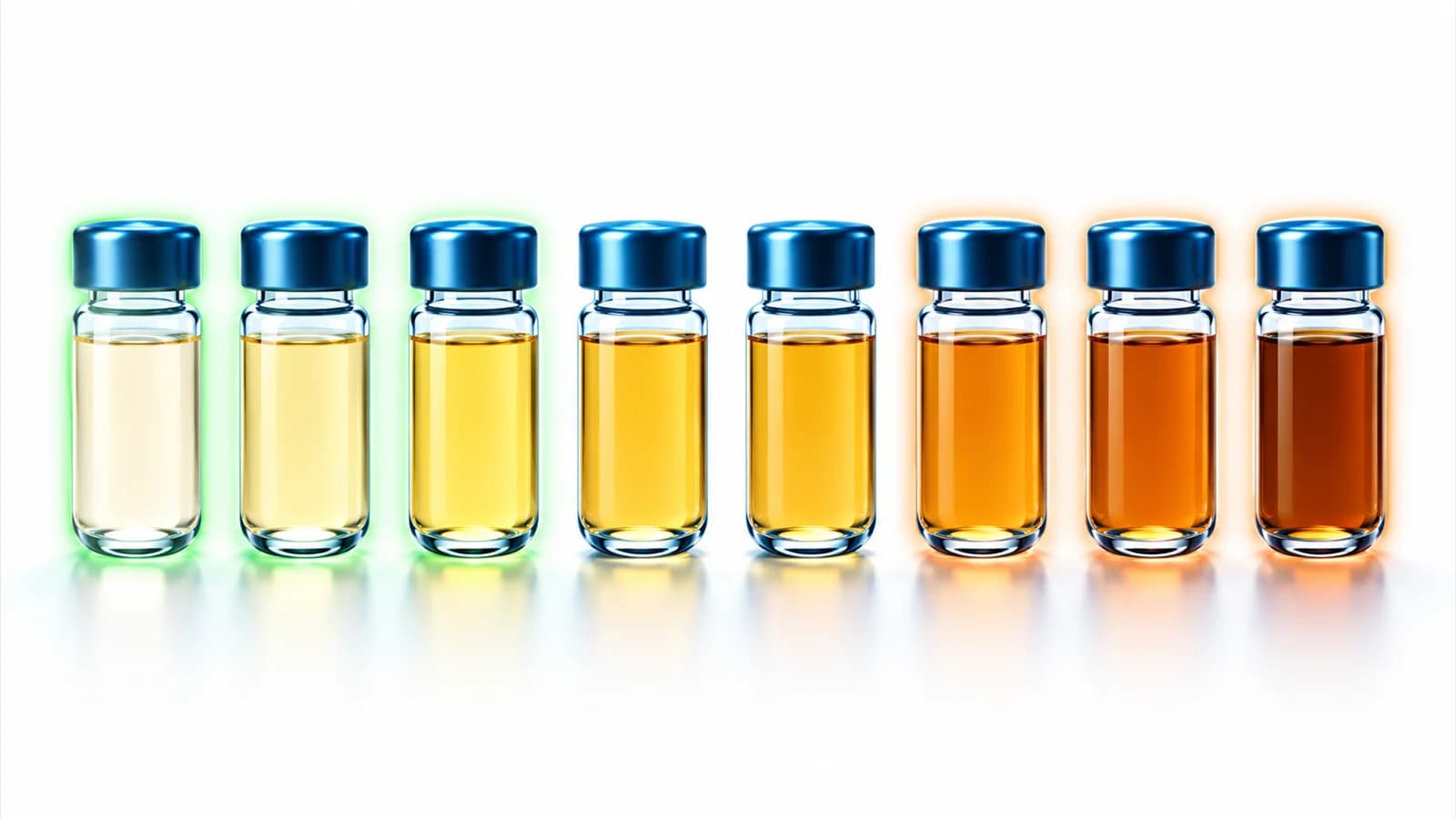
Common signs of not drinking enough include headaches, tiredness, light-headedness, a dry mouth and lips, and urinating less often.
Yes. Tea, coffee, milk and juice all add to your daily intake, even if some count for a little less than plain water. Coffee in moderate amounts does not make you lose more water than it provides. Still, water remains the best everyday choice: no sugar, no calories.
Start from the reference value for your group (see the table) and take off about 20% for food.
Add a glass or two on hot days.
Add roughly half a litre to a litre for each hour of exercise, depending on how much you sweat.
Watch your urine colour and how you feel, and adjust.
Doing this by hand every day gets tedious. That is why Water Tracker calculates your daily goal automatically from your weight, height, activity and climate, and counts every drink by its hydration factor, so you always know how much is left.
There is no single magic number. Most adults need somewhere between two and three litres of total water a day, more in the heat and when exercising. Listen to your body, keep an eye on the simple signals, and set a realistic goal you can build a lasting habit on.
Not necessarily. Eight glasses (about two litres) is a fair estimate for many adults, but your needs may be higher or lower depending on your weight, activity and the weather.
It is rare, but possible when drinking very large amounts in a short time, especially during long endurance events. Spread your drinking across the day rather than having a lot at once.
Yes. Around 20% of your water typically comes from food, especially fruit, vegetables and soups.

You know you should drink more but keep forgetting? Eight simple habits that tie water to your daily routine until drinking it becomes automatic.